We use cookies to make your experience better. To comply with the new e-Privacy directive, we need to ask for your consent to set the cookies. Learn more.

Monthly Archives: April 2026
-
Posted: April 23, 2026Categories: Educational articlesRead more »
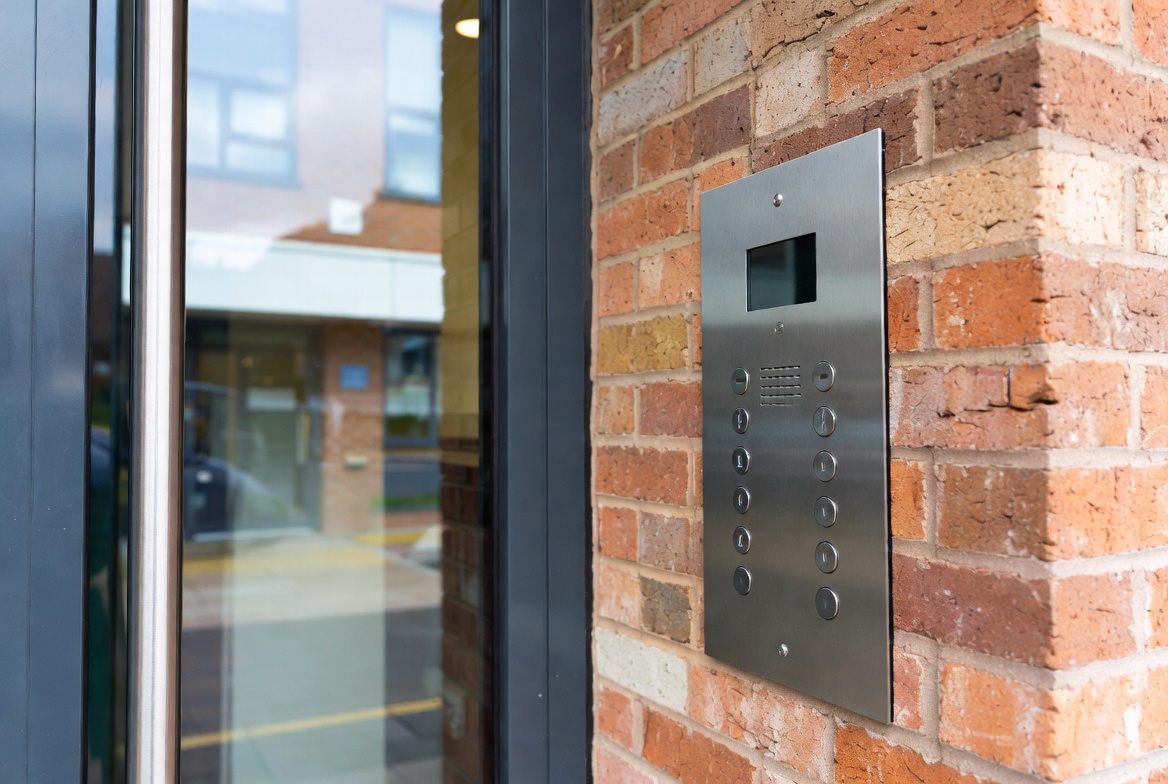
IP versus analogue? Let's talk. The honest answer is that neither system is universally better, and anyone who tells you otherwise is selling you something. The right call depends entirely on the project, and getting it wrong means callbacks, snagging lists, and conversations nobody wants to have. Here's how to get it right the first time.
What Is the Difference Between IP and Analogue Door Entry?
IP door entry systems transmit signals as data packets over a network using Cat5e or Cat6 cabling, enabling remote access, multi-site management, and integration with wider IT infrastructure. Analogue systems transmit audio and video over dedicated cable runs, typically 2-wire or 4-wire, without requiring network configuration. The right choice depends on the project requirements, not a preference for newer technology.
What Analogue Door Entry Is Best For
Analogue gets a bad reputation it doesn't deserve. Yes, IP is where the industry is heading, but that doesn't make analogue obsolete, and
-
Posted: April 16, 2026Categories: Educational articlesRead more »
Door entry jobs on residential developments come with more compliance considerations than most installers expect. Part M of the Building Regulations is one that catches people out, not because it's complicated, but because it's easy to overlook until a building control officer raises it at the worst possible moment.
Understanding what Part M requires before you start specifying means the job runs cleanly from survey to sign-off, with no last-minute snagging and no awkward conversations with the main contractor.
What Part M Actually Covers
Part M sets the accessibility requirements for buildings in England, with Wales largely aligned. It's worth noting upfront that Scotland and Northern Ireland operate under separate technical standards. Scotland follows Section 4 of the Technical Handbook, while Northern Ireland has its own Building Regulations Technical Booklet R. If you're working across borders, always confirm which standard applies to the specific project before you specify anything. -
Posted: April 08, 2026Categories: ProductsRead more »
Getting the maglock specification wrong on an access control installation is one of those problems that only shows up after the job is done. A holding force that falls short, a profile that doesn't suit the frame, or a product that fails a fire compliance check means returning to the site and absorbing costs that should never have existed. Installers working across commercial and residential projects deserve a range that covers every configuration without requiring a compromise or a last-minute supplier change.
That's exactly why Door Entry Direct is proud to announce we now supply the complete Stealth Locking range by Security Trade Products.
What Is a Maglock?
A maglock, or magnetic door lock, works by holding an armature plate against an electromagnet when power is applied. Because there are no moving parts, maglocks are low-maintenance and highly reliable, making them a popular choice for high-traffic access control installations in commercial and residential buildings.
What the