We use cookies to make your experience better. To comply with the new e-Privacy directive, we need to ask for your consent to set the cookies. Learn more.

Part M Building Regulations and Door Entry Systems: What Installers Need to Know


Posted:
April 16, 2026
Categories:
Educational articles
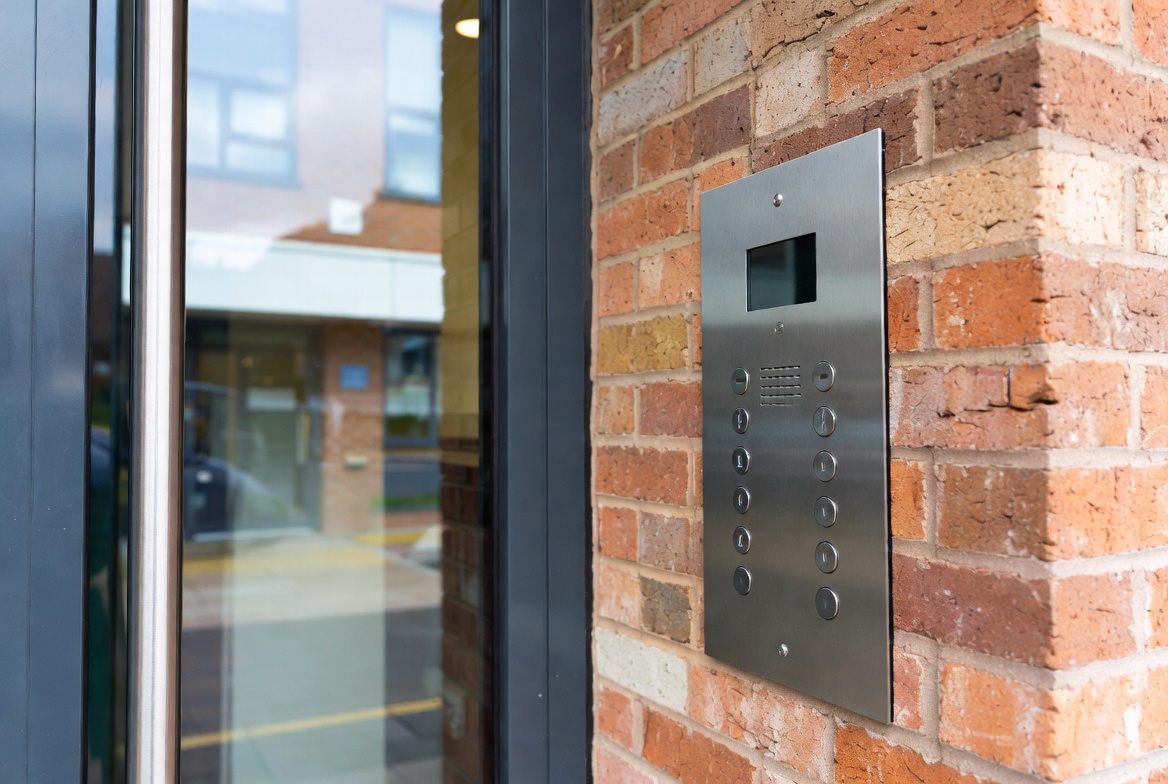
Door entry jobs on residential developments come with more compliance considerations than most installers expect. Part M of the Building Regulations is one that catches people out, not because it's complicated, but because it's easy to overlook until a building control officer raises it at the worst possible moment.
Understanding what Part M requires before you start specifying means the job runs cleanly from survey to sign-off, with no last-minute snagging and no awkward conversations with the main contractor.
What Part M Actually Covers
Part M sets the accessibility requirements for buildings in England, with Wales largely aligned. It's worth noting upfront that Scotland and Northern Ireland operate under separate technical standards. Scotland follows Section 4 of the Technical Handbook, while Northern Ireland has its own Building Regulations Technical Booklet R. If you're working across borders, always confirm which standard applies to the specific project before you specify anything.
For door entry systems in England and Wales, Part M means that call points, handsets, and entry controls must be positioned so they're accessible to wheelchair users and people with limited mobility.
The Mounting Height Requirement
For external door entry controls, Approved Document M Volume 1 requires them to be mounted between 900mm and 1000mm above finished ground level, set back a minimum of 300mm from any external return corner. These aren't suggestions, and building control will check them.

Where Installers Get Caught Out
The most common issue is specifying or installing a system without confirming the exact mounting heights with the architect or main contractor first. Drawings don't always reflect the final Part M requirements for a specific plot type, and by the time you find out, the first fix is done. Our team hears this feedback from installers regularly, and it almost always comes down to the same thing: the compliance conversation happened too late, after survey and after quoting, rather than at the very start.
The second issue is assuming Part M only applies to communal entrances. Depending on the dwelling category specified on the project, requirements can extend to individual flat entrances too. Category 2 and Category 3 dwellings carry stricter accessibility requirements than Category 1, so always confirm the dwelling category before you quote because the answer changes what you need to specify.
What the Dwelling Categories Actually Mean
Category 1 covers visitable dwellings and applies to most standard new-build homes. Category 2 covers accessible and adaptable dwellings, where accessibility requirements extend further into the building, including individual flat entrances and any door entry controls serving them. Category 3 covers wheelchair user dwellings, which carry the most demanding requirements of all. The category is set by the planning authority and will be noted on the drawings, so if it isn't visible, ask before you quote.
What to Check Before You Quote
Confirm the dwelling category for the development, as this determines which Part M requirements apply. Check the architect's drawings for specified mounting heights and ask if they don't show them. Make sure the system you're specifying has handsets and call points that can be mounted within the required range. Document your compliance as you install because building control will want evidence, and having it ready saves time at sign-off.
Specifying With Confidence
Getting Part M right isn't about adding time to a job. It's about asking the right questions at the survey stage so there are no surprises later. An installer who flags compliance early builds the kind of trust that keeps them on the next development too, because main contractors remember who made their lives easier and who cost them a snagging list.
If the spec calls for a panel built around precise compliance requirements, design your bespoke VR panel at vrpanels.com.
Recent Posts